
84% of developers now use AI tools in their workflow. But only 33% trust the output. Distrust in AI-generated code accuracy jumped from 31% in 2024 to 46% in 2025. And while 75% of organizations call AI-driven testing "pivotal," only 16% have actually adopted it.
That's a 59 percentage point gap between "we believe in this" and "we're actually doing it."
The GPT Wrapper Problem
Most "AI testing tools" launched in 2024–2025 share an architecture: paste in a URL, send it to GPT-4 with a system prompt, return whatever comes back. The output looks plausible and then you run it:
- Selectors hallucinated from training data. The model writes
data-testid="submit-button"because that's common in training data. Your button hasdata-testid="checkout-cta". - Auth flows ignored. The model generates tests on authenticated pages without logging in.
- Hardcoded waits.
await page.waitForTimeout(3000)instead of waiting for actual elements. - Static snapshots, not live understanding. The model can't see your page. It doesn't know your dropdown uses Radix or your table virtualizes rows.
As one QA lead summarized: "Without additional context, the LLM will hallucinate its way forward and create tests by combining online tutorials and training data."
The Three Modes That Actually Work
Mode 1: No AI at All (Recording)

Point-and-click recording generates deterministic Playwright code from your actual interactions. No guessing selectors - the recorder captures what you actually clicked. No hallucinated flows - you walked through the real flow. Zero API keys. Zero token costs. Works in air-gapped environments.
Mode 2: AI-Assisted with Human Review

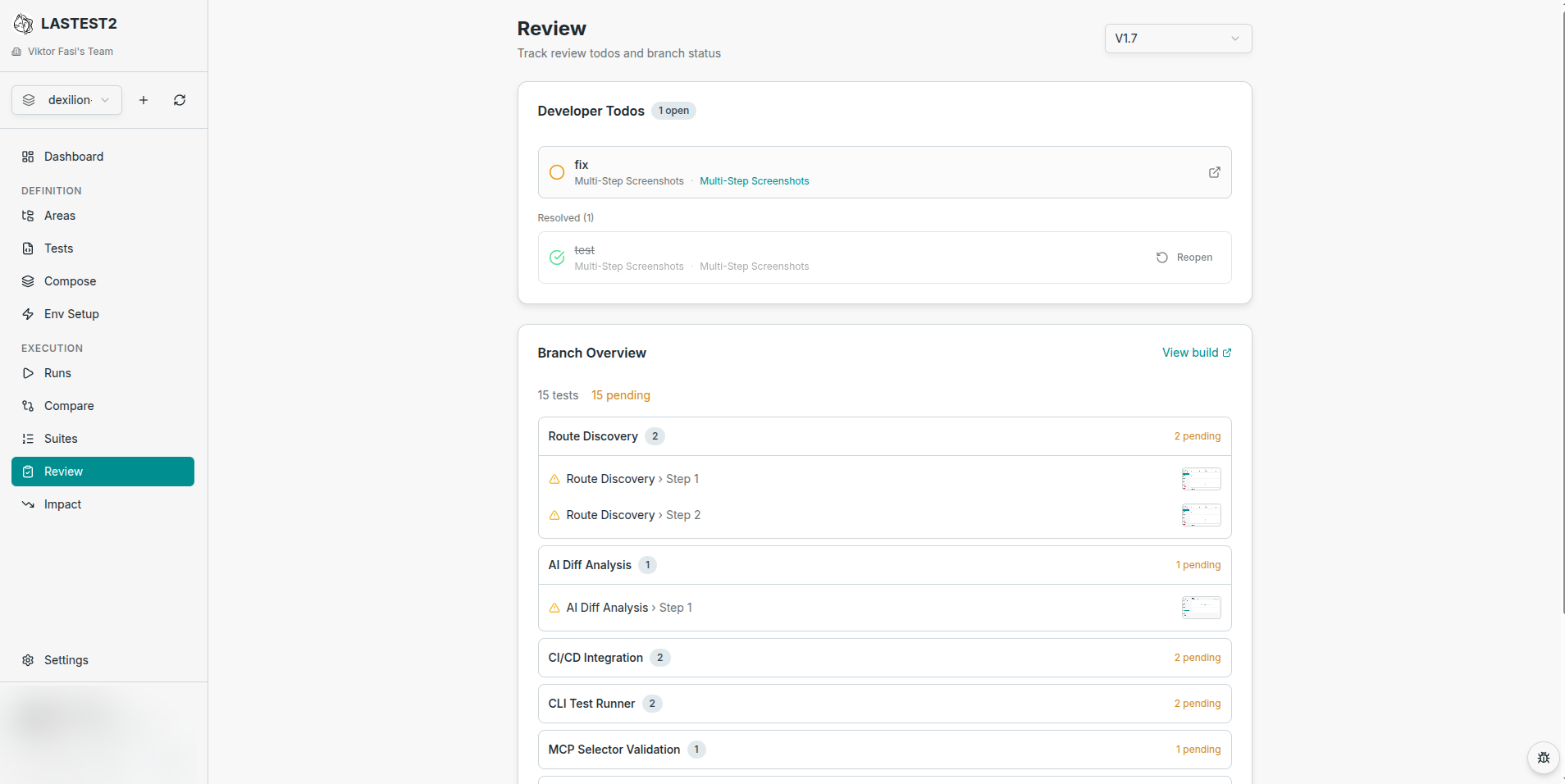
AI generates or enhances tests, but nothing saves without human approval. The key difference from pure generation: the AI interacts with the live page. Instead of guessing selectors, it navigates to the page, finds the actual button, reads its actual attributes, and writes a selector that works.
Import an OpenAPI spec, a user story, or a markdown document, and the AI extracts test cases - but verifies every selector against the live application before outputting code.
Mode 3: Full Autonomous Pipeline
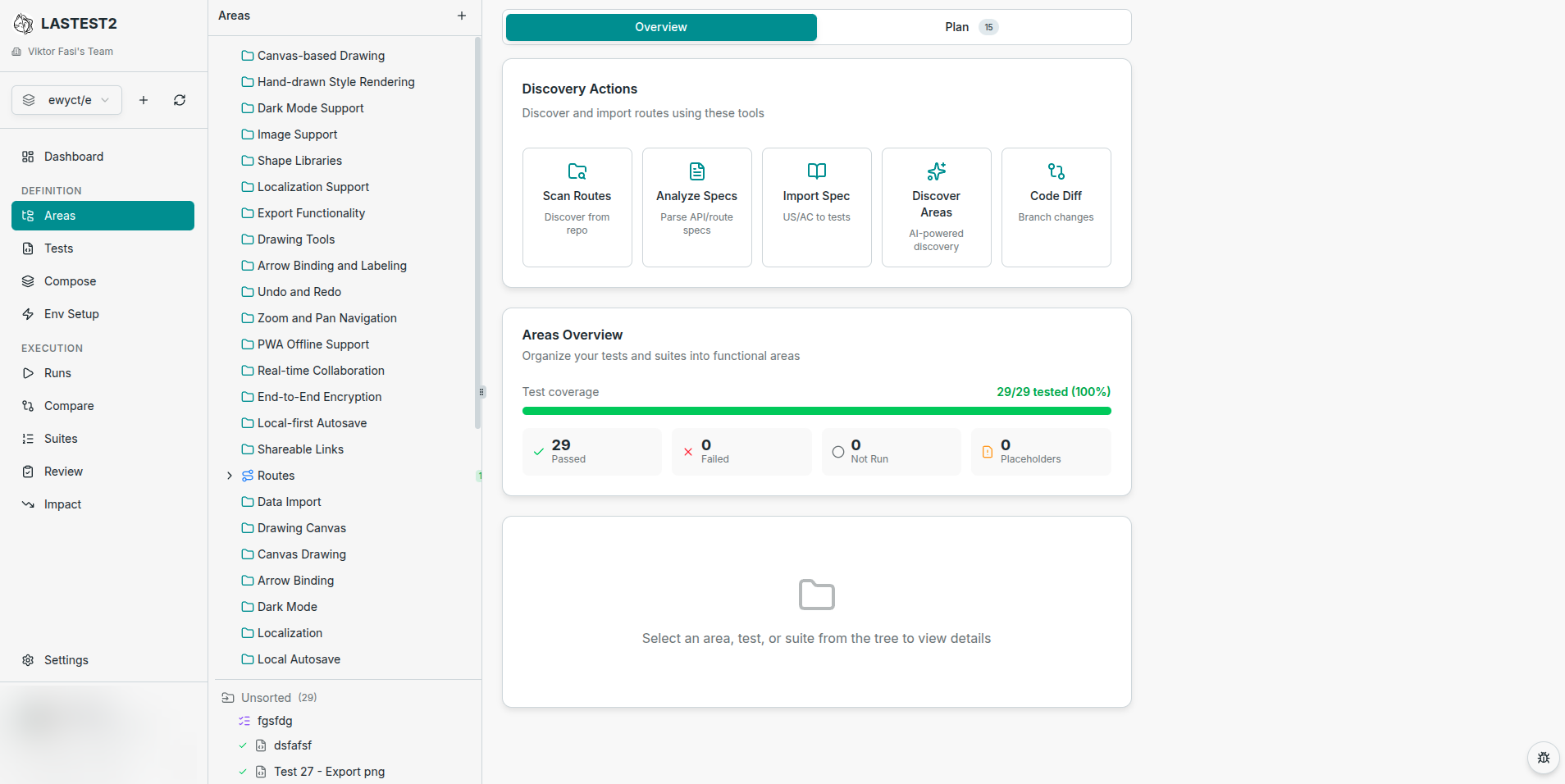
For bootstrapping new projects: scan routes, classify the application type, generate tests, run them, fix failures (up to 3 attempts), re-run, and report. This works because it's a closed loop - generate → run → observe failure → fix → run again. The pipeline generates a plan, pauses for human review, then executes.
The Token Cost Reality
Per-execution AI (expensive at scale): Every test run sends screenshots to an AI model. Cost scales linearly with CI frequency. 100 tests × 10 runs/day × $0.01/call = $300/month just in tokens.
One-time generation AI (fixed cost): AI tokens spent once during test creation. The generated test is a deterministic Playwright script. Running it 10,000 times costs zero AI tokens.
What Actually Moves the Needle
- AI must interact with the live page. The accessibility tree and actual DOM are the source of truth, not training data.
- Self-repair beats generation. Tests that fix themselves when selectors break are more valuable than tests that generate perfectly once.
- Human oversight isn't optional. The 33% trust number reflects real experience with AI output that looks right but isn't.
- One-time token costs beat per-execution costs. Generate deterministic code once. Run it forever.
- Recording is underrated. A simple recorder that captures real interactions produces tests that work on the first run, every time.
The adoption gap closes when AI testing tools ground their output in reality - interacting with live pages, verifying selectors, running tests in a feedback loop, and keeping humans in the approval chain.